
Digitising Public
Services for Transparent, Citizen-Centric Governance
We help ministries, councils and public agencies replace paper-based processes with secure digital services: online permits, citizen portals and transparency dashboards that work on any phone, even on low bandwidth.Book a call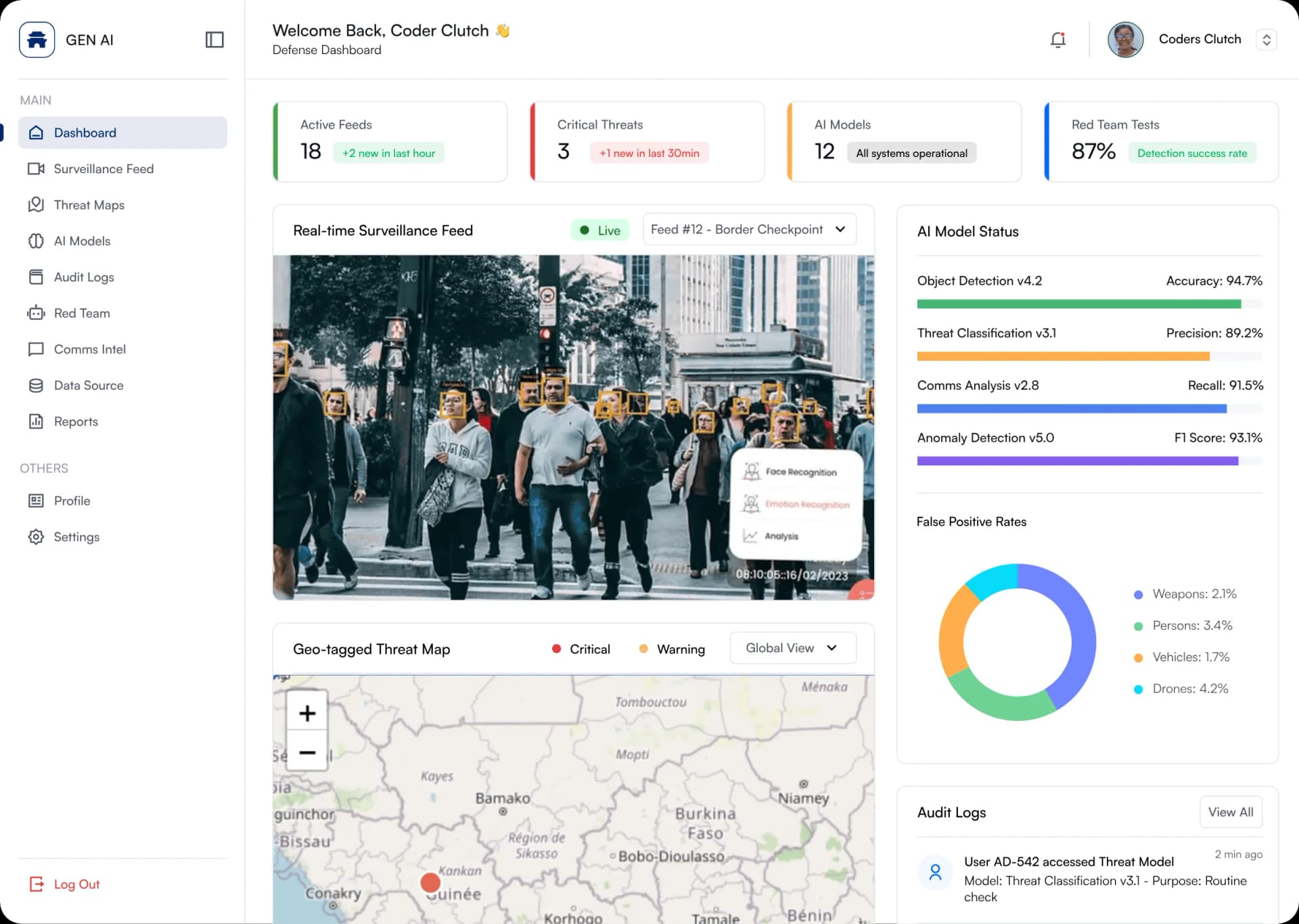
Modern Governance Challenges
Public institutions worldwide grapple with slow paper-based systems, unequal service access, and declining citizen trust. Our Smart Governance platform modernises public services—delivering efficient digital tools, broader accessibility, and transparent systems to rebuild civic engagement.Online Permits & Licensing
...............Citizen Service Portals
...............Transparency Dashboards
...............Mobile-First, Low-Bandwidth Design
...............Secure Records & Audit Trails
...............Training & Handover for Public Staff
...............Online Permits & Licensing
...............Citizen Service Portals
...............Transparency Dashboards
...............Mobile-First, Low-Bandwidth Design
...............Secure Records & Audit Trails
...............Training & Handover for Public Staff
...............Online Permits & Licensing
...............Citizen Service Portals
...............Transparency Dashboards
...............Mobile-First, Low-Bandwidth Design
...............Secure Records & Audit Trails
...............Training & Handover for Public Staff
...............Smart Governance Solutions Digital Services Citizens Can Rely On
Automated Permit Processing
AI-powered permit approvals to reduce delays and bureaucracy.

Real-Time Public Service Tracking
Live dashboards to monitor projects and service delivery.

Digital Citizen Engagement Platforms
Interactive portals for community feedback and policy input.

Transparent Government Spending Analytics
Clear visualisation of budgets and expenditures for accountability.

Our Approach to Smart Governance

1
Policy Alignment & Digital Strategy
We work with government stakeholders to align digital systems with governance goals.2
Platform Design & Interoperability
Modular architecture that connects existing systems, databases, and services.3
Inclusive UX Design
User-centric design tailored for multilingual, low-bandwidth, and mobile-first populations.4
Development & Deployment
Agile rollout with phased onboarding across agencies and departments.5
Capacity Building
Training public staff, knowledge transfer, and documentation.6
Monitoring & Compliance
Audit trails, access logs, and governance dashboards ensure accountability.Our Key Features & Capabilities
Citizen Self-Service Portals
Apply for permits, track applications, pay bills—all online.
E-Forms & Workflow Automation
Digitised forms with role-based processing and status tracking.
Public Feedback & Grievance Redressal
Citizens can report issues and track response resolution in real-time.
Transparency Dashboards
Budget spend, project status, and performance metrics for the public.
Digital Identity & Access Management
Secure login, document e-verification, and role-based access.
Tangible Benefits for Governments & Citizens
Faster Service Delivery
Cut turnaround times with automated workflows.
Improved Public Trust
Increase civic confidence with open, responsive systems.
Broader Access to Government
Citizens can interact with services anytime, from anywhere.
Operational Cost Savings
Reduced need for manual paperwork, printing, and office visits.
Data-Driven Governance
Leverage reports and analytics to inform decisions and shape policy.
Inter-Agency Collaboration
Seamless data sharing and coordination between government departments.
Ready to Build Transparent, Smart Governance?
Technology Stack & Integration
Backend
Laravel
Spring Boot
Node.js
Frontend
Angular
React
Databases
PostgreSQL
Oracle DB
Frequently Asked Questions
Smart Governance refers to the digital transformation of public administration, using technology to make government services more efficient, transparent, and citizen-centric. It includes digital platforms for service delivery, real-time citizen engagement, and data-driven decision-making.